- August 18, 2025
- Daily Edge News
- 0
As someone who has walked the halls of medical universities and research labs for over two decades, I have seen the “dogma” of immunology rewritten many times. In the early 2000s, we viewed vaccines purely as a “shield”—something you took before the battle to prevent the invasion.
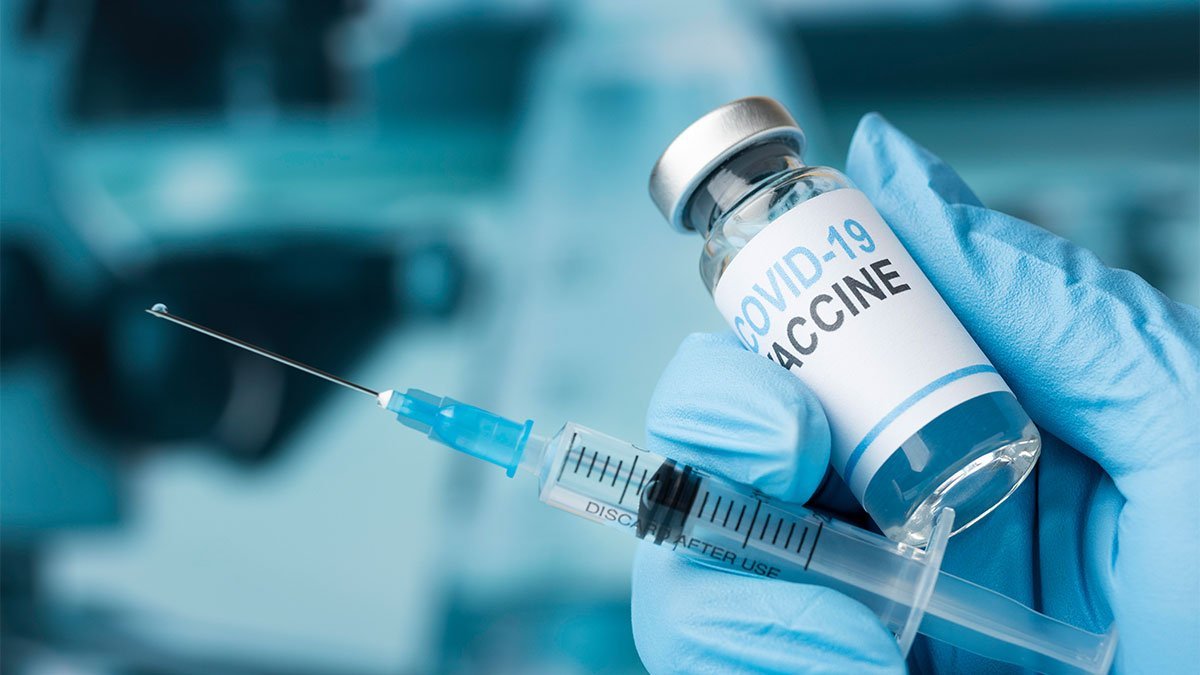
But as we move into the final months of 2025, we are witnessing one of the most significant paradigm shifts in modern medicine: Vaccine-Led Recovery. We are no longer just using vaccines to prevent COVID-19; we are beginning to use them as a “precision broom” to sweep the body of persistent viral remnants in patients who can’t seem to cross the finish line of recovery.
- The “Viral Ghost” Theory: Why We Need a Treatment Frontier
For 20 years, I taught my students that once a respiratory virus is gone, it’s gone. But COVID-19 has proven that viruses can be “ghosts.” In many patients—especially those suffering from Long COVID or persistent symptoms—the virus doesn’t fully disappear. Instead, it hides in “viral reservoirs” such as the gastrointestinal tract, the lymph nodes, or even the endothelium (the lining of your blood vessels).
When a virus hides like this, your immune system can fall into a state of T-cell exhaustion. It knows something is wrong, but it can’t find the target. This is where the concept of “Vaccine-Led Recovery” comes in. By introducing a targeted, updated mRNA or protein subunit dose during the recovery phase, we are essentially giving the immune system a “software update” and a fresh set of instructions to find and eliminate these hidden pockets.
- The Science of “Trained Immunity” in 2025
Recent data from this year, including landmark studies from Trinity College and clinical observations in late 2025, suggest that mRNA vaccines do more than just produce antibodies. They actually reprogram our innate immune cells.
This phenomenon, known as Trained Immunity, allows our “first responder” cells (like monocytes and natural killer cells) to become more efficient at regulating inflammation. In my practice, I’ve seen that for a “2nd-time” patient or a long-hauler, a therapeutic vaccine dose can:
- Lower Pro-inflammatory Cytokines: Specifically reducing levels of L-6
And alpha, which are often the culprits behind the “crushing fatigue” people feel months after the initial infection. - Clear Persistent Antigens: If the body is still harboring $spike$ protein “debris,” the vaccine-induced surge in antibodies can help bind and clear these fragments that are causing chronic irritation.
- Resolving the “Patient Paradox”: Your Queries Answered
When I sit down with patients to discuss using a vaccine as part of their recovery plan, the same questions tend to arise. Here is the “Professor’s perspective” on the most pressing concerns.
“Will getting the vaccine while I’m still feeling unwell make me sicker?”
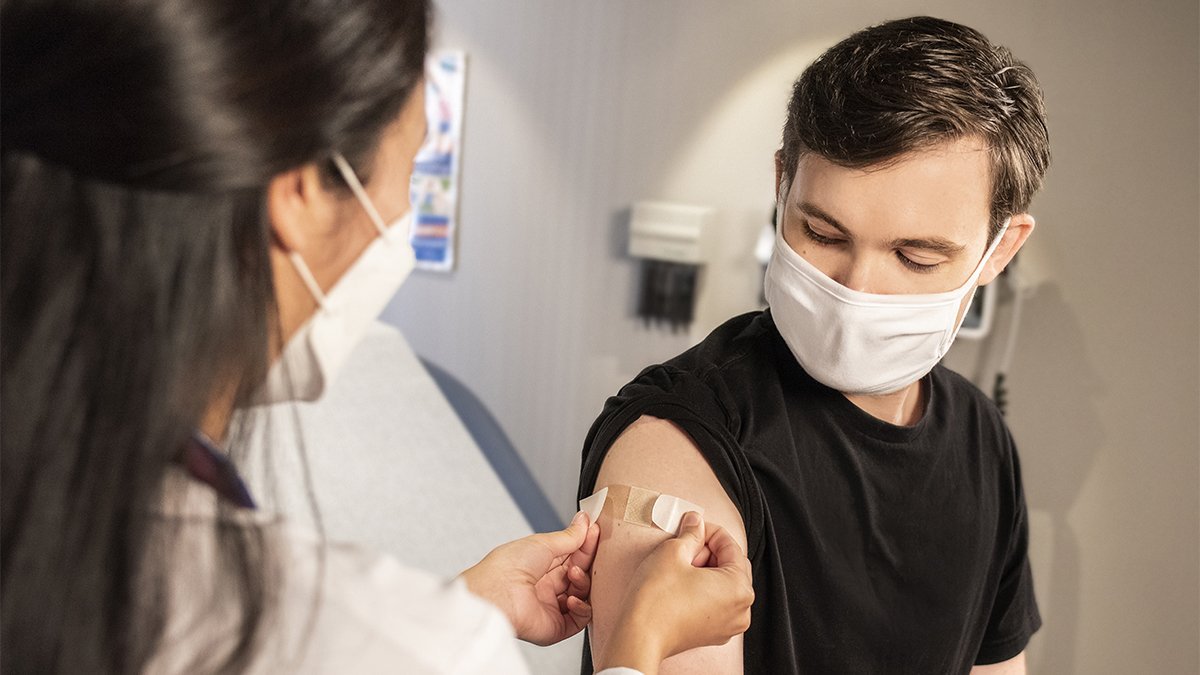
This is the most common fear. In clinical terms, we have to distinguish between “reactogenicity” (the temporary feeling of being unwell as the immune system revs up) and “disease progression.” While you may feel “flu-ish” for 24–48 hours, this is actually the “alarm” waking up your dormant immune cells. For many of my patients, this temporary “flare” is followed by a significant “lifting of the fog” as the immune system finally clears the lingering viral debris.
“How is this different from a normal booster?”
A booster is about maintaining a wall. A therapeutic vaccine is about active clearance. In 2025, we are moving toward shared clinical decision-making, where we timing the dose specifically when a patient’s internal “viral load” is low but their symptoms are high.
“Can this cure ‘Brain Fog’?”
Brain fog is often caused by neuro-inflammation or micro-clots triggered by persistent spike proteins. If the vaccine helps the body finally “mop up” those proteins, the inflammatory signal to the brain often subsides. While not a guaranteed “cure,” it is currently one of the most promising frontiers in post-viral care.
- The 2025 Protocol: A New Way to Care
In my 20+ years, the “standard of care” used to be: Go home, rest, and call us if you can’t breathe. Today, the protocol is far more proactive.
Step 1: Metabolic Baseline
Before we even discuss a therapeutic vaccine, we check the patient’s “terrain.”
- Vitamin D3 levels: Your immune system’s “fuel.”
- CRP (C-Reactive Protein): To measure the current level of “fire” (inflammation) in the body.
- Fasting Insulin: High insulin levels can act like “grease” for inflammation.
Step 2: The “Quiet Window” Timing
We don’t vaccinate during an acute fever. We look for the “quiet window”—a period where the initial storm has passed but the patient is “stuck” in a plateau of 70% health. This is the optimal time for a vaccine-led “reboot.”
- Comparative Care: 2020 vs. 2025
To understand how far we’ve come, look at the transition in our clinical approach:
Feature | 2020 Protocol (Reactive) | 2025 Protocol (Proactive/Therapeutic) |
Vaccine Role | Purely Preventative | Therapeutic & Recovery-Led |
Immune Goal | Antibody “Fortress” | $T-cell$ “Precision Training” |
Patient Focus | Hospital Avoidance | Quality of Life & Viral Clearance |
Variant Tech | One-size-fits-all (Original) | Variant-Adapted (e.g., LP.8.1) |
- A Note on the “Immune Exhaustion” Danger
One thing I must emphasize as a professor: More is not always better. There is a clinical risk of “Immune Imprinting” (sometimes called “Original Antigenic Sin”) if we vaccinate too frequently without reason. This is why the 2025 frontier is about precision, not volume. We don’t just “boost” every three months; we use the vaccine as a specific tool when the clinical picture (persistent symptoms, viral reservoirs) calls for it.
The Professor’s Insight
“The goal of 2025 medicine isn’t to live in a bubble, but to ensure that when we do encounter the virus, our body is so well-trained that the ‘recovery’ happens in days, not months. We are turning our immune systems from ‘reactive soldiers’ into ‘proactive gardeners’ who keep the body clear of viral weeds.”
The Path Forward: What You Can Do
If you are one of the many people feeling “stuck” in a cycle of 2nd-time infections or slow recovery, don’t view the vaccine merely as a chore or a requirement. View it as a potential therapeutic intervention. Next Steps for You:
- Consult your physician about your “inflammatory markers” (CRP and ESR).
- Ask about the latest 2025-2026 monovalent formulations (specifically targeting the JN.1/LP.8.1 lineages).
- Track your symptoms using a “Functional Score” (how well can you walk/think/work compared to pre-infection?) to see if a therapeutic dose moves the needle for you.