
- August 18, 2025
- Daily Edge News
- 0
For many, the initial years of the pandemic were defined by a single question: “When will I get it?” Today, that question has evolved into a persistent reality: “How do I manage getting it again?” As we move through the 2025-2026 respiratory season, the phrase “2nd-time infection” sounds almost nostalgic. With the emergence of highly immune-evasive lineages like JN.1 and its descendants (such as XFG and LP.8.1), reinfection is no longer an outlier—it is a feature of the virus’s endemic nature.
Here is what the latest clinical data tells us about the “Reinfection Era” and how we should approach it today.
Why the “Second Time” Became the “Many Times”
In the early days of the pandemic, we hoped for “sterilizing immunity”—the idea that once you had COVID-19, you were a closed door to the virus. However, SARS-CoV-2 has proven to be a master of antigenic drift.
The variants circulating in late 2025 are significantly different from the original 2020 strain. They are designed to bypass the “security guards” (antibodies) created by previous infections. This means that even if you had COVID-19 six months ago, your immune system may not recognize the latest version of the “spike protein” currently moving through your community.
Is the 2nd (or 3rd) Time Always Milder?
This is the most common question I receive in the clinic. The answer is: Usually, but not always.
- The Good News: Thanks to Hybrid Immunity (the combination of previous infection and vaccination), most people have “memory T-cells.” These cells act like deep-cover agents; they might not stop you from getting a scratchy throat, but they are excellent at keeping you out of the hospital.
- The Caveat: Reinfection still carries a risk of Long COVID. Clinical studies from early 2025 suggest that while each subsequent infection might feel “like a cold,” the cumulative strain on the vascular system and the potential for viral persistence remains a concern for high-risk groups.
The 2025-2026 Vaccine Strategy: Precision over Frequency
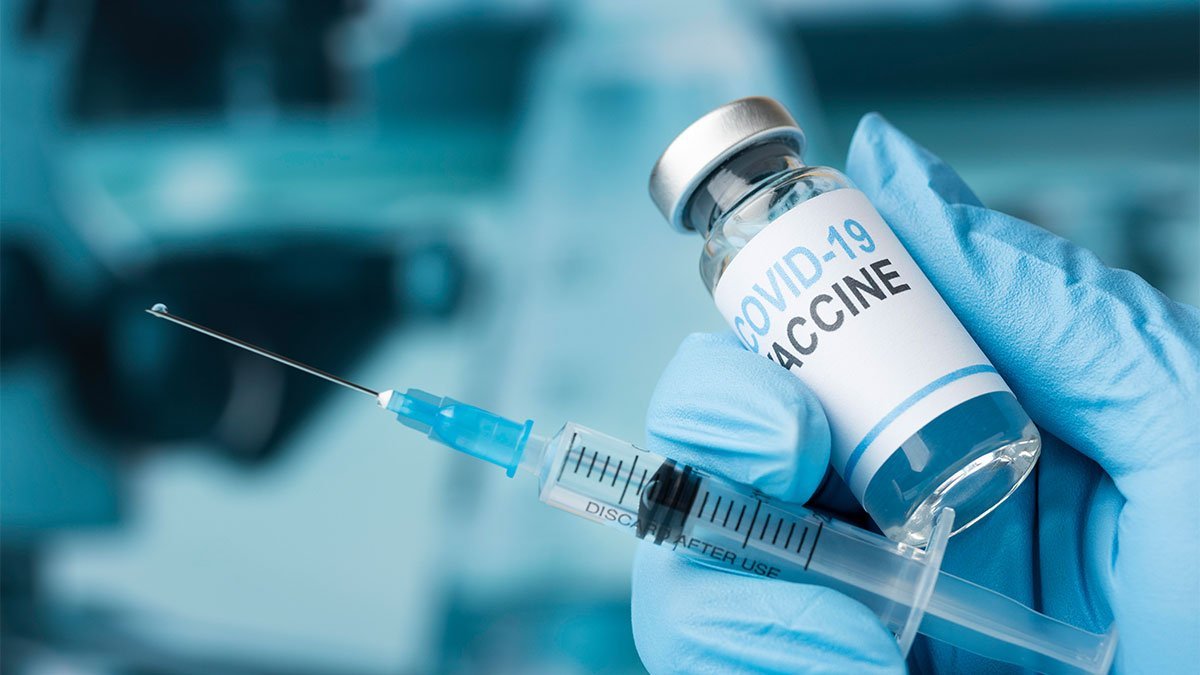
We have moved away from the “booster every few months” mentality. In late 2025, the focus is on Variant-Adapted Monovalent Vaccines.
The current formulations are specifically engineered to match the LP.8.1 and JN.1 lineages. For someone facing a “2nd or 3rd time” infection, these vaccines are being used as a therapeutic tool to:
Broaden the antibody “library” so the body recognizes a wider range of variants.
Prevent “Immune Exhaustion” by giving the system a clear, updated blueprint of the current threat.
Resolving the “Reinfection Query”
If you are reading this because you—or someone you know—just tested positive for the second or third time, here is the 2025 Professor’s Protocol:
- Don’t rely on 2022 advice: The “5-day isolation” has been replaced by “symptom-based recovery” in many regions, but the virus is still transmissible. Use high-quality (N95/FFP2) masks if you must be around others.
- The “3-Month Rule”: If you just recovered, wait approximately three months before getting your updated 2025-2026 vaccine. This allows your immune system to “settle” and ensures the vaccine provides the most robust “software update” possible.
- Watch for “Viral Remnants”: If symptoms like fatigue or brain fog linger for more than three weeks after your second infection, consult a specialist about Vaccine-Led Recovery—using the latest dose to help your body clear any remaining viral debris.
The Professor’s Final Word
In 2025, we don’t fear the “2nd time” the way we did in 2020, but we must not be complacent. The virus is smarter, but our science is faster. By staying updated with the latest formulations and understanding the nature of hybrid immunity, we can turn COVID-19 from a “disruptive pandemic” into a “managed health reality.”